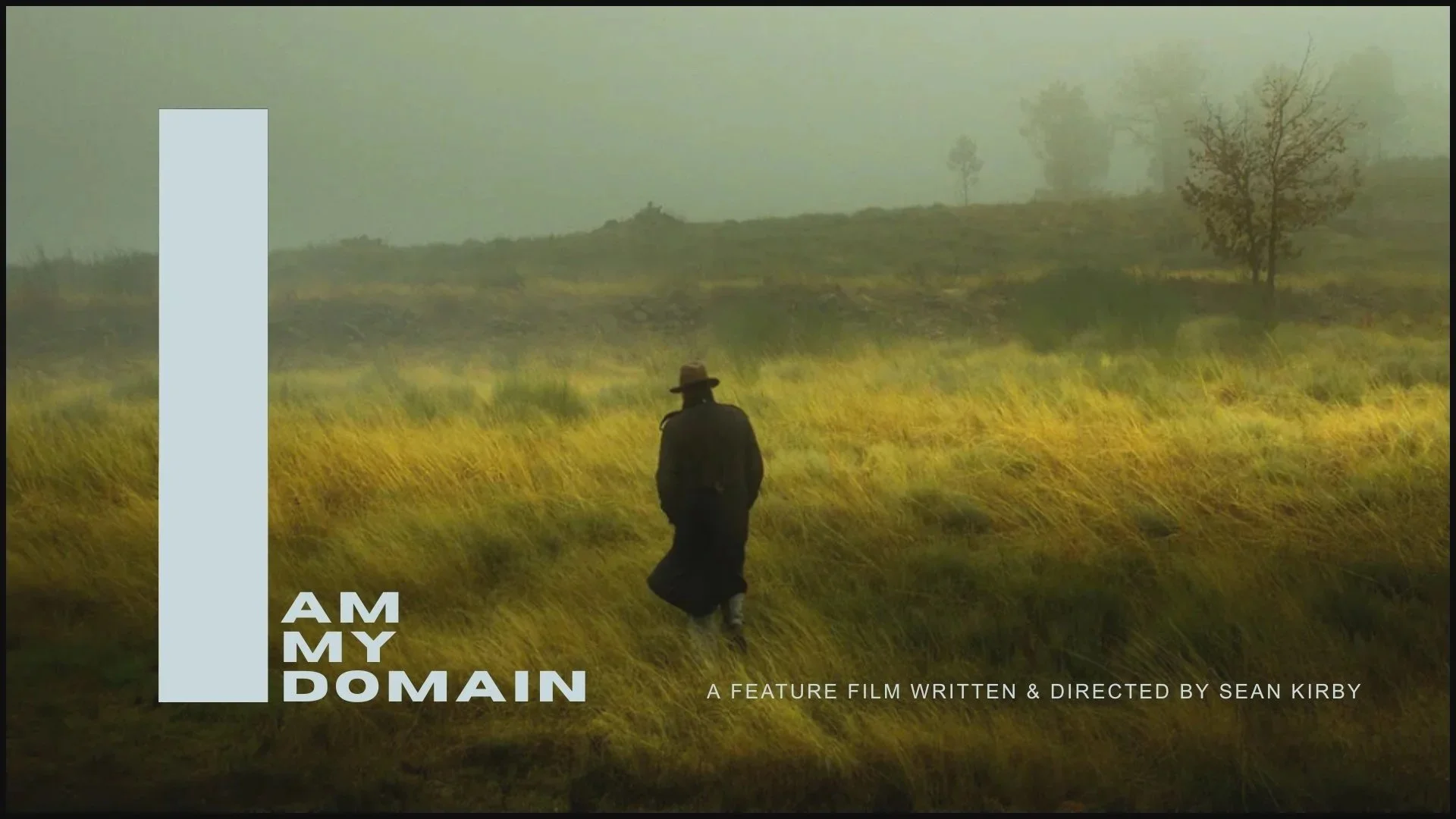

In 1964, a Vermont dairy farmer struggles to maintain his traditional existence as the construction of Interstate 91 tears through the land that he loves.

Two years prior, surveyors plotted the final section of Interstate 91 through eastern Vermont.
A few degrees could have skirted a 94 acre property in Ascutney, but they hastily chose a straight path.
This land was the lifelong home and dairy farm of Romaine Tenney.

This is a love story

A ghost story

An American tragedy
The Story
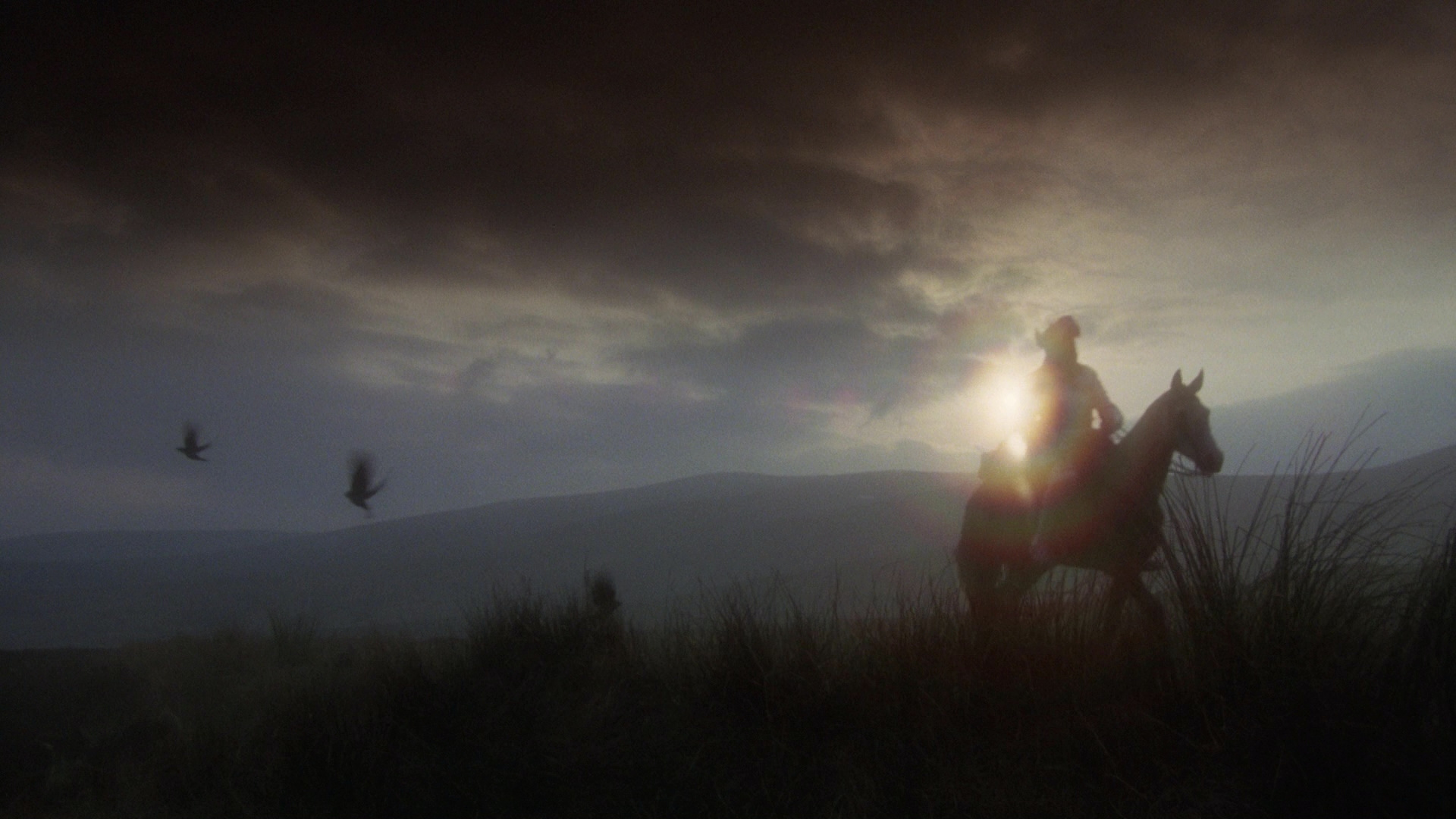
When his lifelong homestead is listed for seizure to construct the final section of Interstate 91, Romaine is unaware of eminent domain law. He continues his work without electricity or motorized vehicles, haying his fields by hand, until a final eviction notice arrives. Distraught, he realizes that he must act, and with his younger brother Emerson, files a court challenge in hope of delaying his departure. The court agrees to a hearing but surprisingly allows construction to begin on the property. As Romaine powerlessly watches bulldozers tear through the earth that he has stewarded all his life, something shifts. The land begins to give back what it holds: ghosts of traditional lives that have inhabited it begin to visit Romaine’s world.
As the encroachment intensifies, Romaine resists, first passively, then more actively, which draws the ire of a rash construction supervisor, Charles Rodrick, who does everything in his power to make Romaine’s life miserable in order to move the Interstate forward.
At the court hearing, Romaine gives an impassioned plea to remain on his land. The jury raises the fair compensation slightly but allows construction to inch closer to the structures on the homestead, a blow to Romaine’s hope. With blasting debris and dust covering Romaine’s home and barns, he works with even stronger vigor, worrying and confusing friends and family. He humbly and stubbornly declines their offers for re-location while the presence of the vestiges surround him. As volunteers move a lifetime of tools and relics from the barns and the Tenney family packs up heirlooms, Romaine chooses to sleep one last night in the house. He agrees to finish the move to Emerson’s the next day, but breaks down in tears at the door, ‘I couldn’t even milk the cows today.’
That night, Romaine opens the gates, letting the cows and horses free. He lights the barns on fire and then he closes the door to his beloved home.
Joyriders on the unfinished highway first discover the inferno. When the fire department arrives, they determine that the front door to the house is nailed shut. The fire is too intense to fight, and they are forced to watch it all burn, powerless.


Director’s Statement
After 25 years in the role of cinematographer, I decided to pursue my lifelong dream of writing and directing feature films, tackling themes close to my heart.
When I discovered the story of Romaine Tenney, a Vermont subsistence dairy farmer whose land was seized through eminent domain, I read through tears, deeply moved. Romaine’s resolve, his dedication to the care of his land and his deep commitment to values based living are in stark contrast to the rapid development and push towards modernization that exemplified 1960’s America.
Immediately, I made a promise to myself, and to the legacy of Romaine, to take his story to the screen.
The themes in I Am My Domain align with my concerns about the dark side of the American dream. Our blind societal embrace of technological advancement, our insatiable hunger for growth and our conformity to a ‘never enough’ mentality are modern ideologies that have brought us to a critical juncture where we are concerned about our very survival as a species due to the effects of climate change. Our consumptive culture has shadowed our ability to embrace the concept of creating fully sustainable lives, basic skills are deemed unimportant and we live disconnected from the earth and its bounties.
Romaine likely did not think about climate change or the future impact of global modernization, but he saw clearly what was most important: the bond between humans and the land that sustains them, and a personal resolve and responsibility to resist, even when all hope is lost.
As our world faces the uncertain effects of the climate crisis, resource scarcity and political division, the story of a stubborn, principled man who refused to accept the notion of truck farming feels a timely counterpoint to the narrative that uninhibited economic growth is the only path forward.
I Am My Domain invites the viewer to explore and compare their personal acts of complicity and resistance with those of a simple dairy farmer in rural Vermont.
Sean Kirby
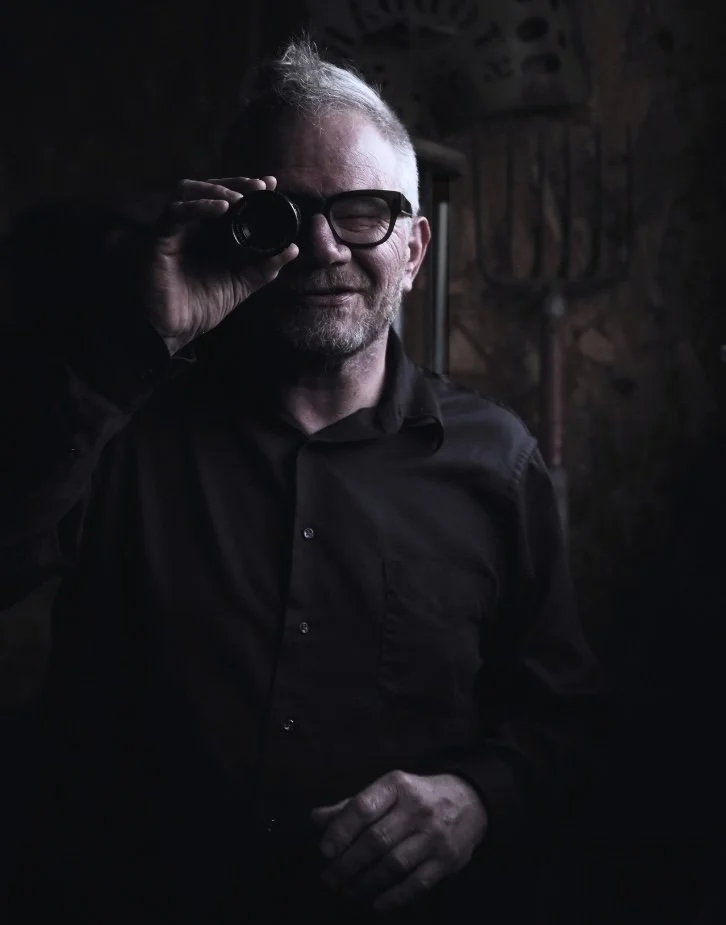
Writer - Director
Originally a visual artist, working with paint on canvas, SEAN KIRBY is an award winning cinematographer working in both fiction and non-fiction.
One of his first films, Police Beat, premiered at the Sundance Film Festivain Narrative Competition was called "emotionally devastating" (Rolling Stone) and "sensationally beautiful" (Variety). It garnered a cinematography award at the Seattle International Film Festival and is part of the permanent collection of the Museum of Modern Art.
Sean has also photographed the documentary Zoo, which premiered at Sundanceand went on to play at the Cannes Film Festival in the Director’s Fortnight Section. Manhola Dargis (The New York Times) called the cinematography, “striking work,” and Scott Foundras (Variety) wrote: “a breathtakingly original work of non-fiction.” It was named by Filmmaker Magazine as “One of the Top 25 Independent Films of the Decade.”
His other credits include The Pat Tillman Story (dir. Amir Bar Lev), Suburban Fury(dir. Robinson Devor, New York Film Festival premiere), Lovely, Still (dir. Nik Fackler, with Ellen Burstyn and Martin Landau), and the episodic documentary Five Came Back (produced by Steven Spielberg, Scott Rudin and John Battsek).
Sean has also been named to Filmmaker Magazine’s list of “25 New Faces of Independent Film” and was the recipient of a Vermont Arts Council Creation grant for the script, I Am My Domain.
He lives on an off-grid farm in Southern Vermont with his family, chickens and three dogs.
Producer
Andrew McKee
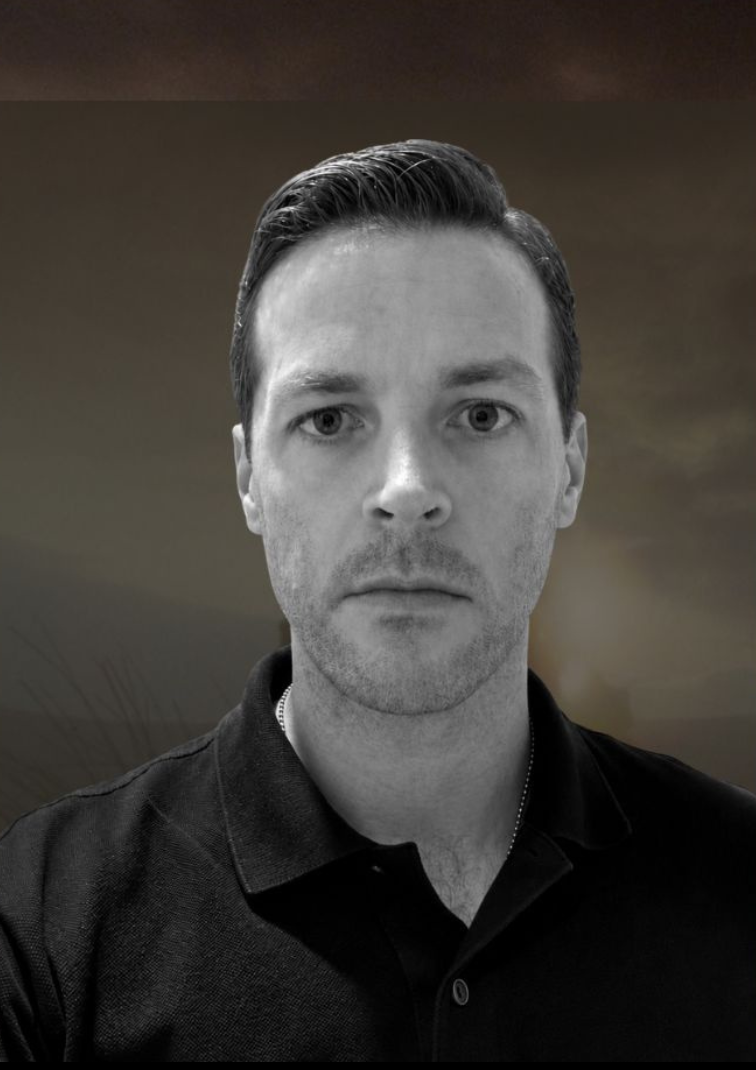
ANDREW MCKEE transitioned into filmmaking following a fourteen-year career in New York. His other projects include Show Me the Line, a documentary which made its world premiere at Bentonville Film Festival this year, and the narrative feature - length film Swine, which is currently in development. As part of the Production Fellowship, McKee will develop the project while participating in Stowe Story Labs’ Producers Lab, furthering the organizations mission of pairing emerging producers with emerging filmmakers to help bring independent features to the screen.
Smriti Keshari
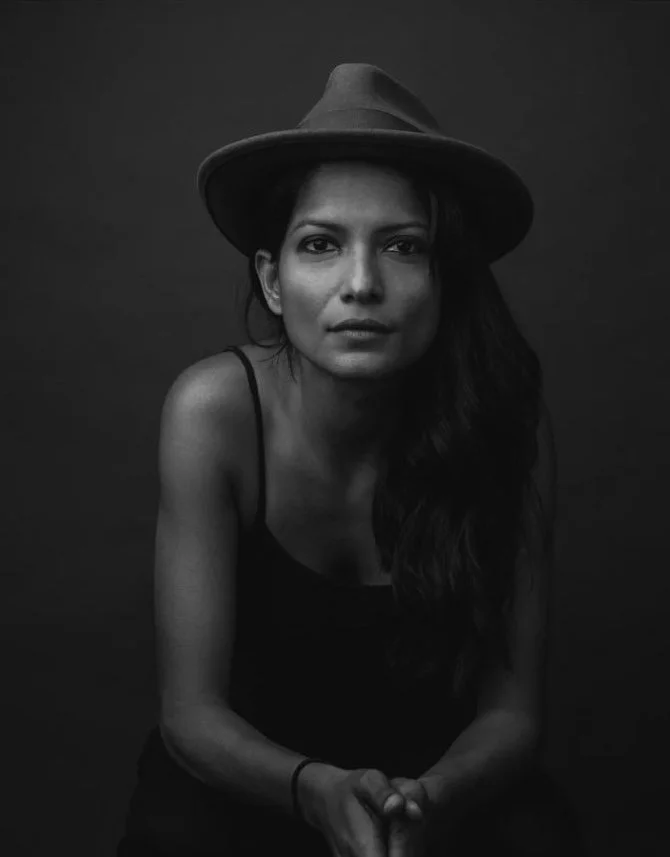
Executive Producer
SMRITI KESHARI is an Indian-American director, writer, and producer whose work examines American infrastructure and systems of power.
Her films include Food Chains (Netflix), about the labor behind the American agricultural system, and the bomb (Netflix), a groundbreaking immersive film-and-live-performance about nuclear weapons that premiered as the Closing Night Event of Tribeca 2016, played as a Berlinale Special, and was presented at the Nobel Peace Prize Ceremonies in Oslo. It was praised by Entertainment Weekly, IndieWire, and the Hollywood Reporter.
She is also the Executive Producer of Sport Explains the World, a 15-part global sports documentary series which premiered at Tribeca, created with John Skipper (former President of ESPN) and Gary Hoenig (founding editor of ESPN the Magazine).
Keshari's works have received support from notable organizations like the MacArthur Foundation, Carnegie Corporation, Ford Foundation, and more.
She has spoken about art and social change at the Nobel Peace Prize Ceremonies, United Nations, BBC, SXSW, and Bloomberg Philanthropy.
Keshari was honored as a TED Prize finalist and recognized as a 2016 Foreign Policy Global Creative Thinker.
She divides her time between Barcelona and Vermont.